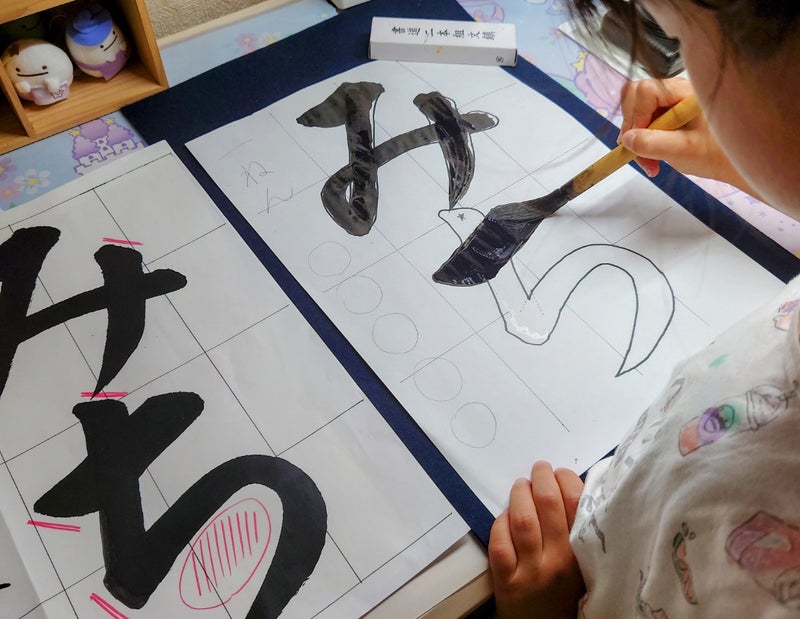
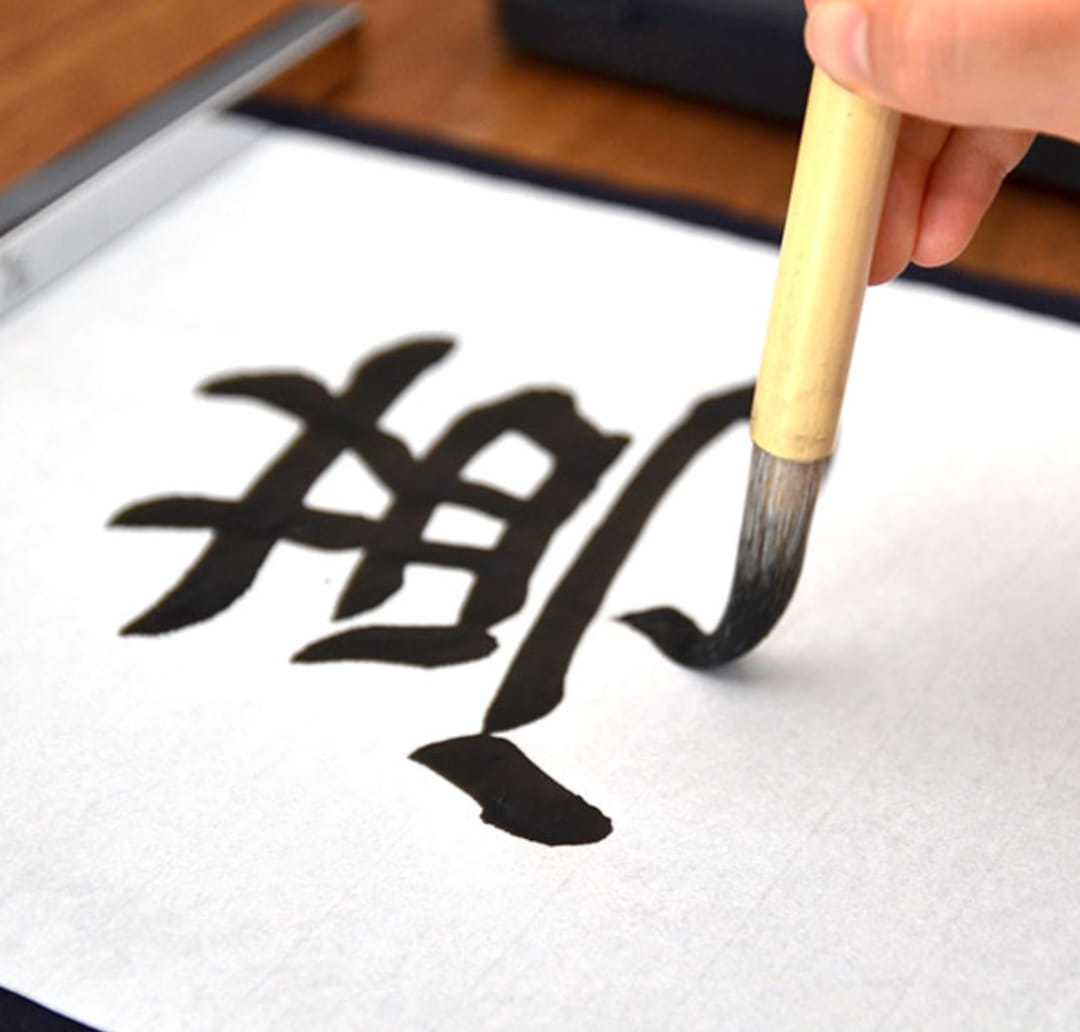
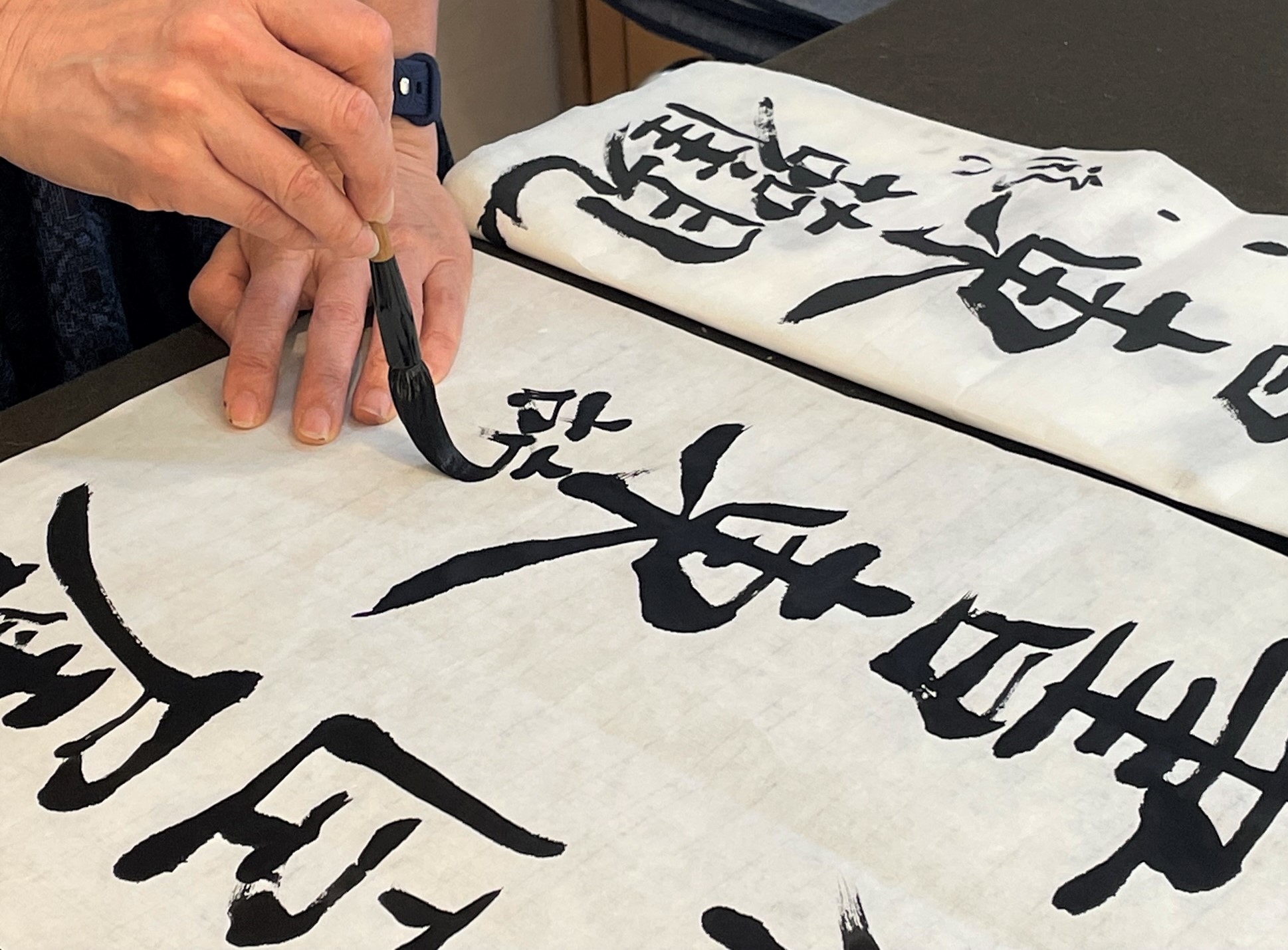
Shodō is the traditional Japanese art of calligraphy using brush and ink.
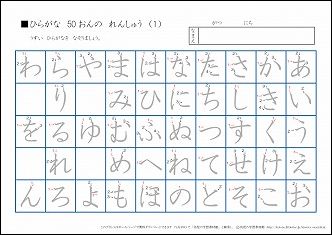
Hiragana Practice Sheet
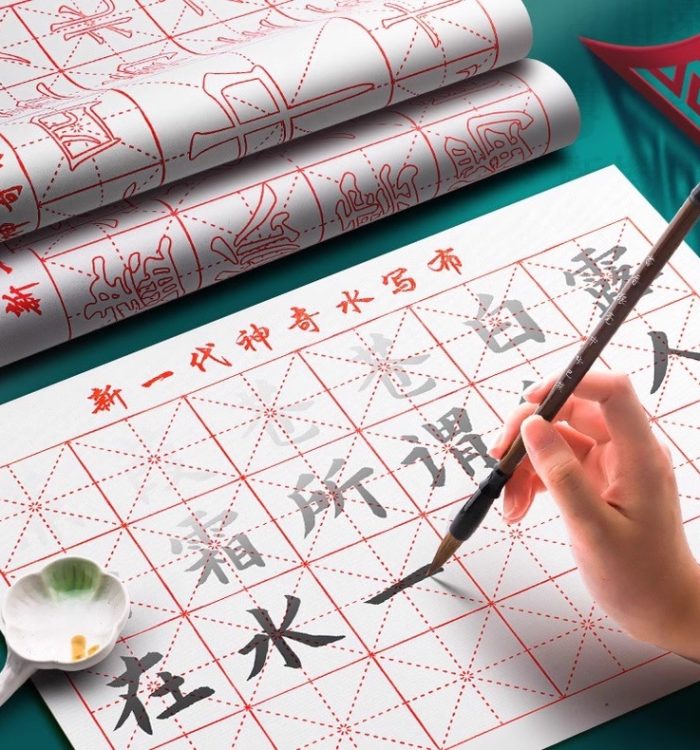
Hiragana practice sheets are ideal for beginners who are learning Japanese calligraphy for the first time. They help students become familiar with basic brush movements, character balance, and stroke order. Practicing Hiragana builds a strong foundation before moving on to more advanced writing.
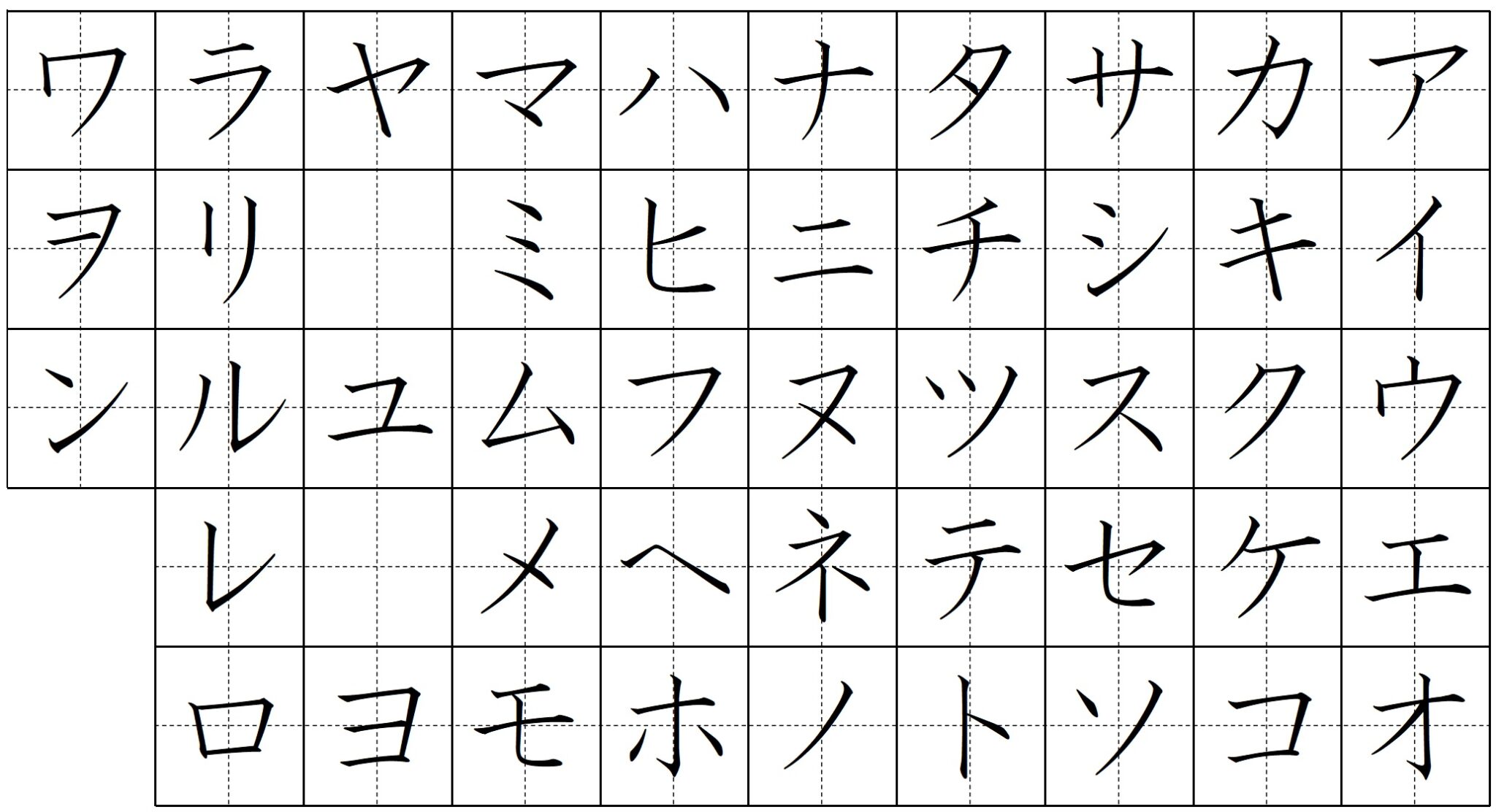
Katakana Practice Sheet
Katakana practice sheets introduce another important Japanese writing system. These worksheets allow students to practice clear, straight brushstrokes while improving spacing and consistency. They are especially useful for learners who want to write foreign names and modern Japanese words.
Kanji Practice Sheet
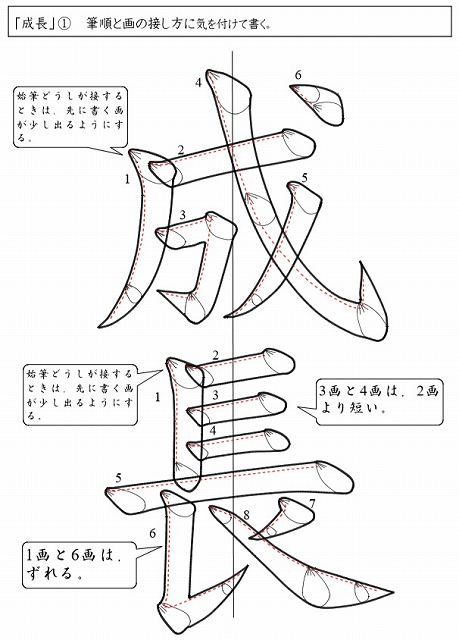
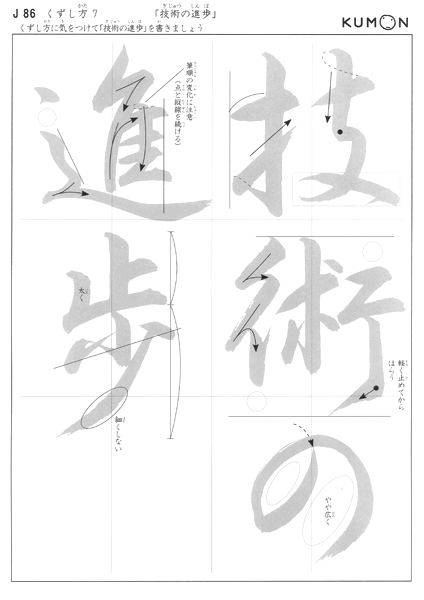
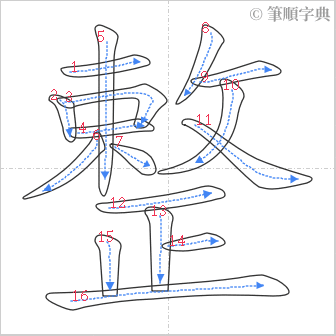
Kanji practice sheets provide opportunities to practice a variety of characters with different levels of complexity. Since every Kanji contains unique stroke patterns, regular practice helps improve brush control, balance, and confidence. Whether you are practicing simple or advanced characters, consistency is the key to improvement.
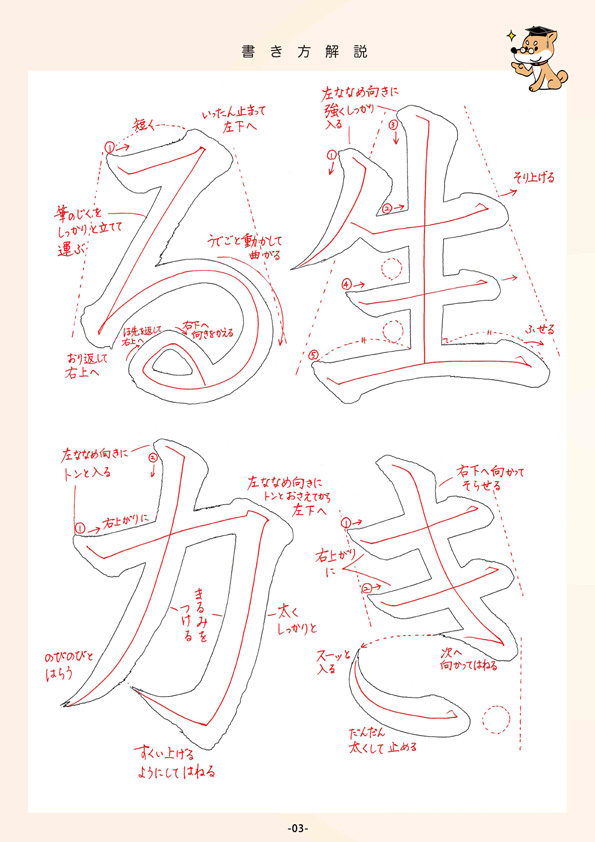
No matter which calligraphy style you practice—standard, semi-cursive, or expressive styles—the basic writing process in Japanese calligraphy (Shodo) always follows the same foundation. Mastering these steps will help you improve consistency, control, and overall quality.
Before starting, make sure all your tools are ready:
Take a moment to set up your space calmly. A clean and organized environment helps you focus better.
Good posture is essential in Shodo.
A relaxed body allows smoother and more controlled brush movement.
Before touching the paper, take a moment to observe:
Understanding the structure first helps you write more naturally.
Begin each stroke slowly and with intention.
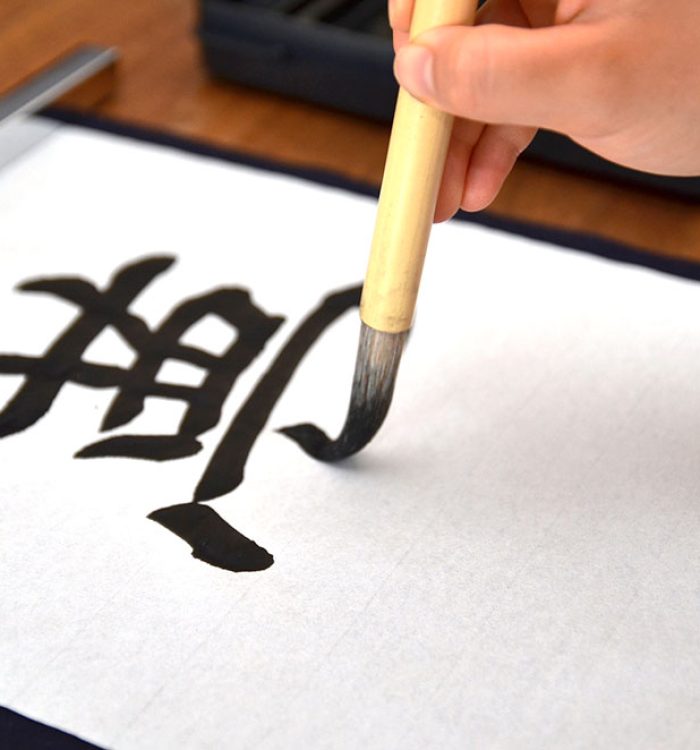
In Japanese calligraphy, each stroke should be written in one continuous motion. Avoid stopping halfway, as this can affect the flow and expression.
One of the most important skills in all styles is pressure control.
This variation creates depth and beauty in your writing.
Calligraphy is not just about individual strokes, but about rhythm.
Try to keep a natural flow between strokes so the character feels balanced and alive.
After finishing a character:
Improvement comes from repetition and reflection.
By following these universal steps, you can apply the same foundation to every style of Japanese calligraphy. Whether you are practicing basic worksheets or exploring expressive writing, these principles will always guide your progress.
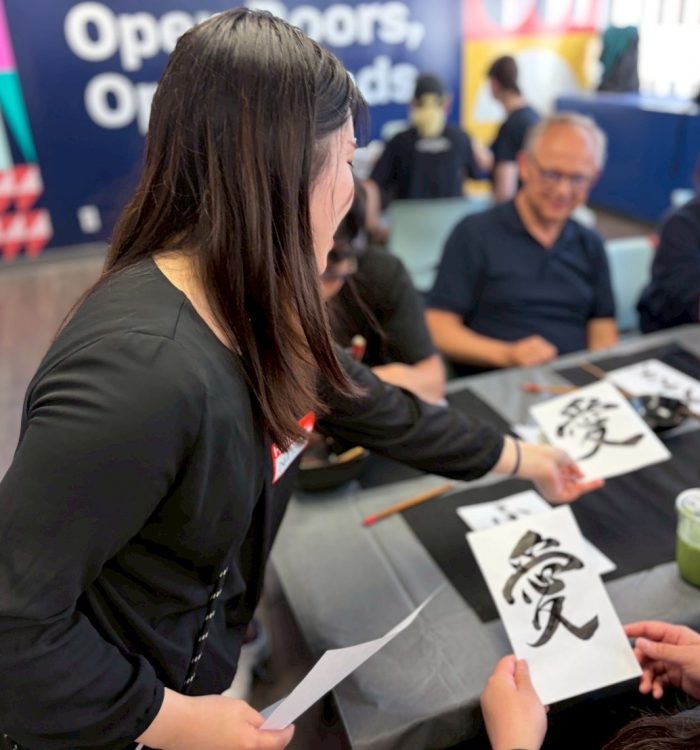
We offer free Shodō workshops for beginners to experience Japanese calligraphy.
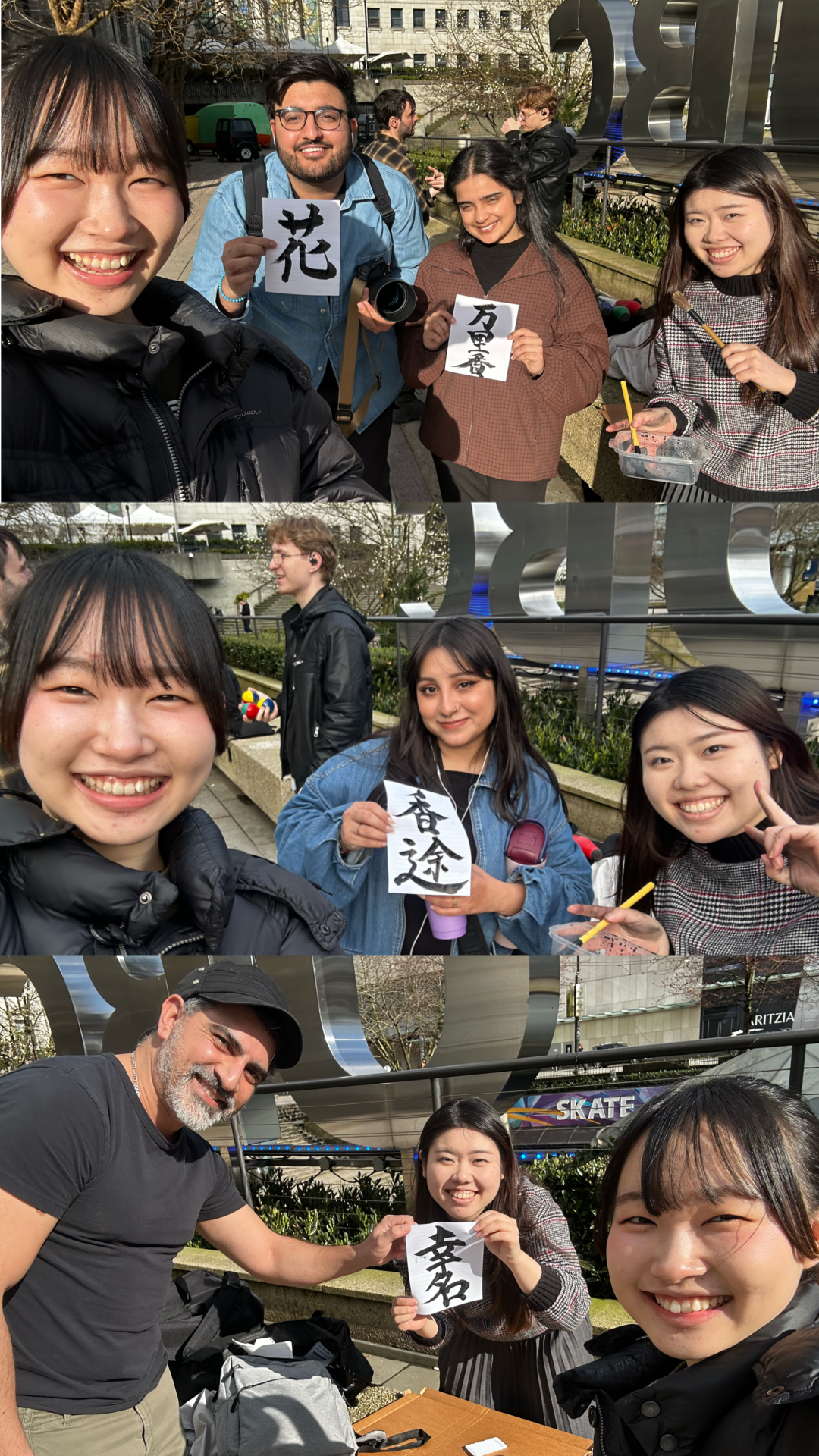
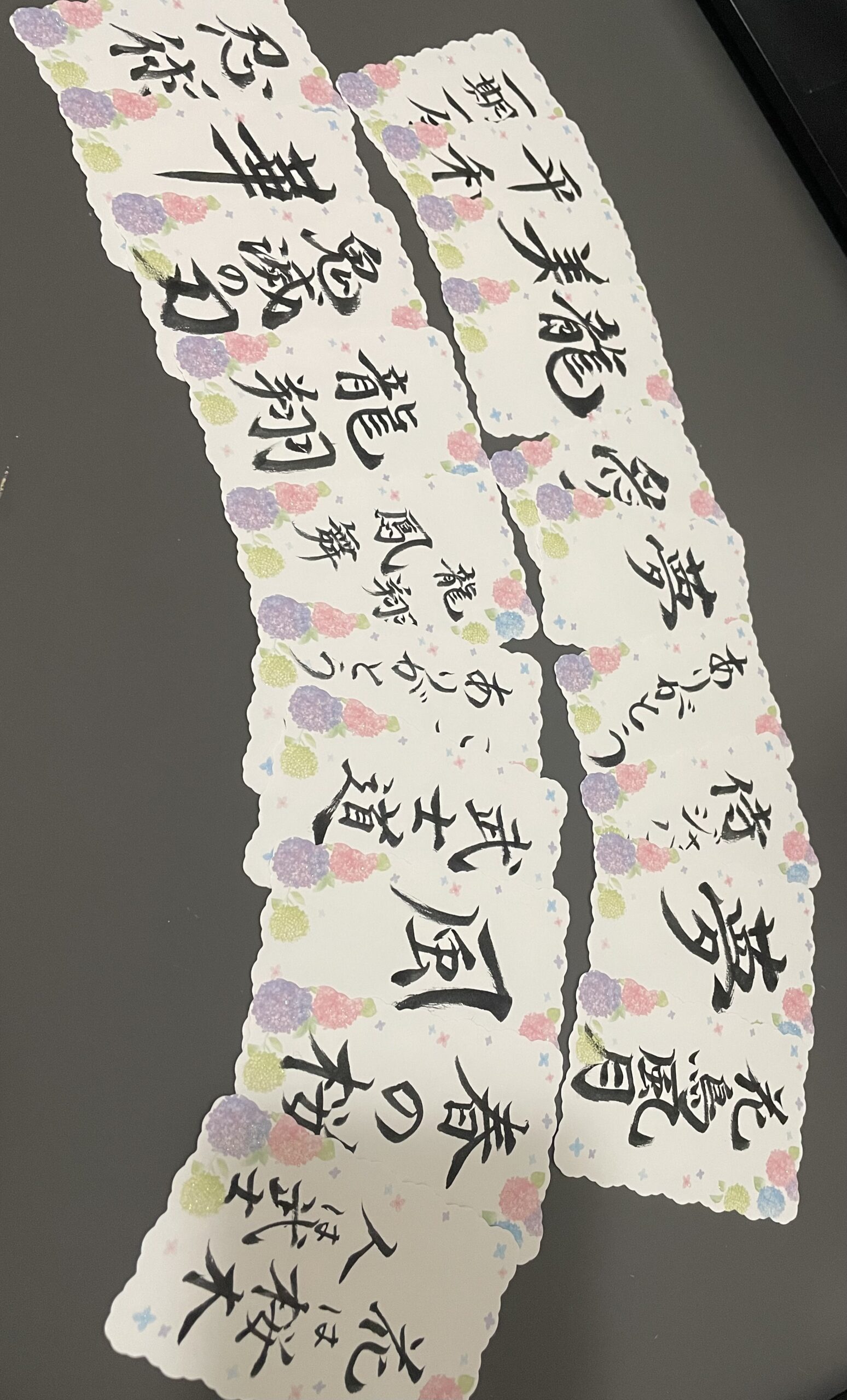
We also take part in street calligraphy events, where we create personalized kanji name art and share free mini calligraphy cards with the public.