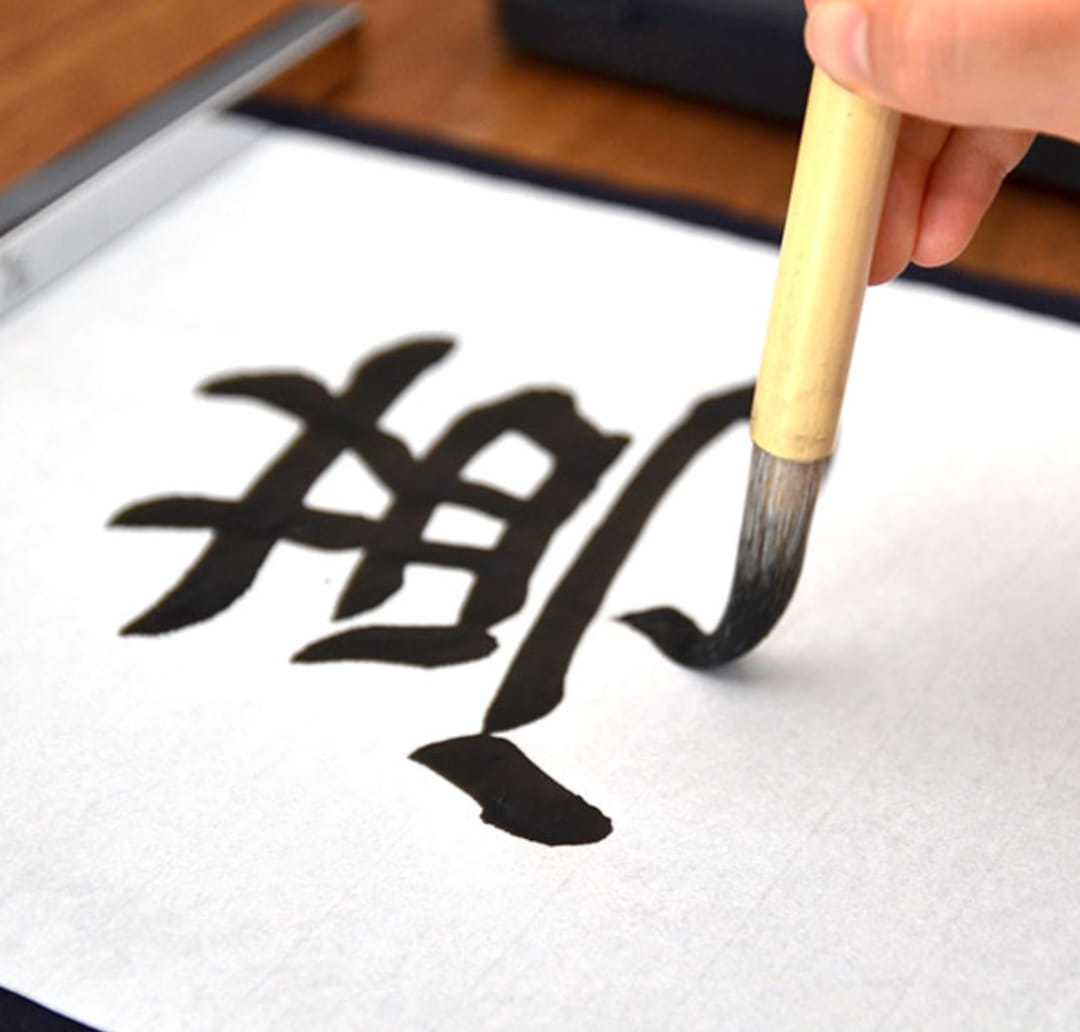
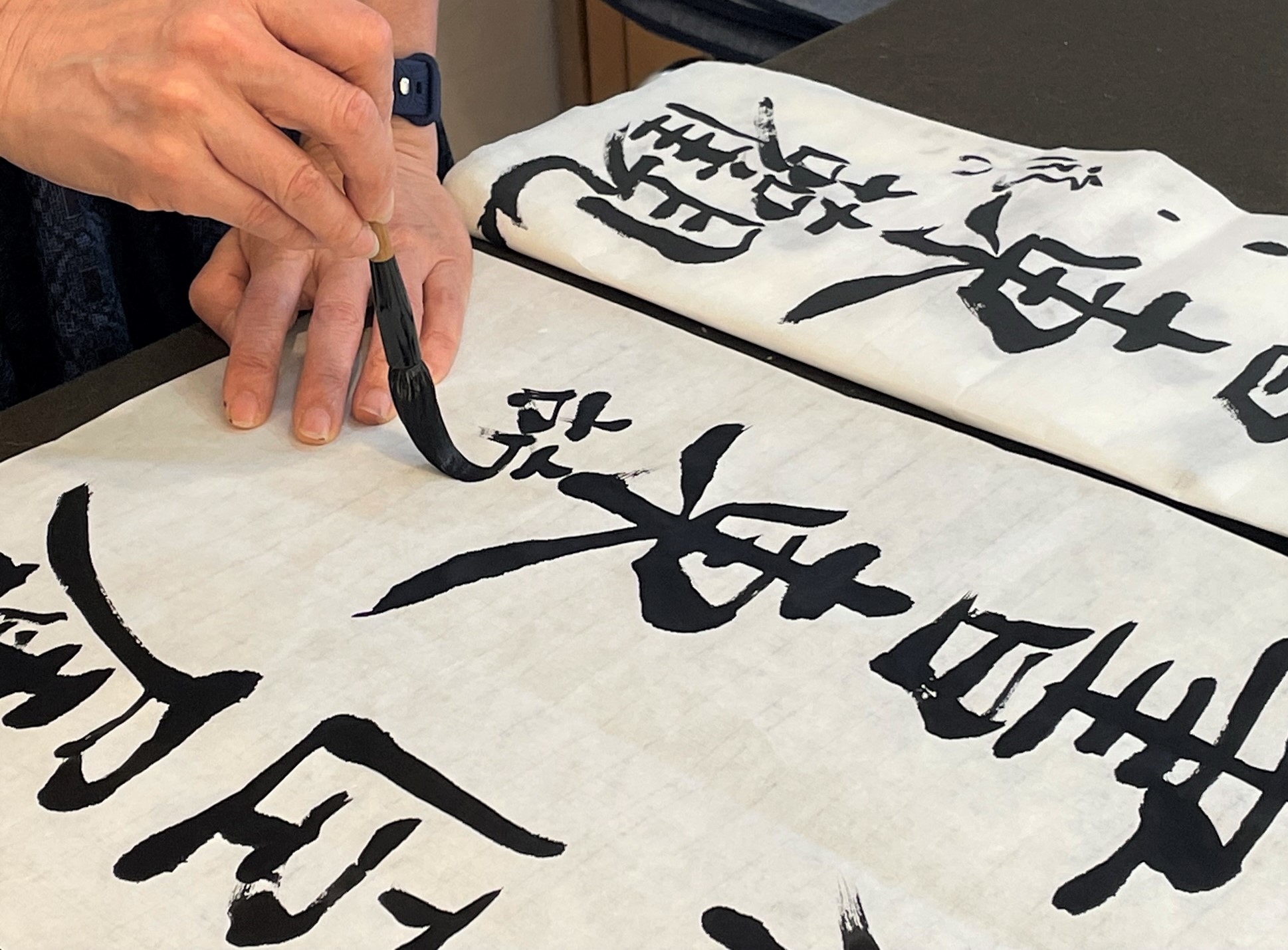
Japanese calligraphy is a traditional Japanese art that combines beautiful writing with creativity and mindfulness.
A Beginner’s Guide to Shodo and Essential Tools
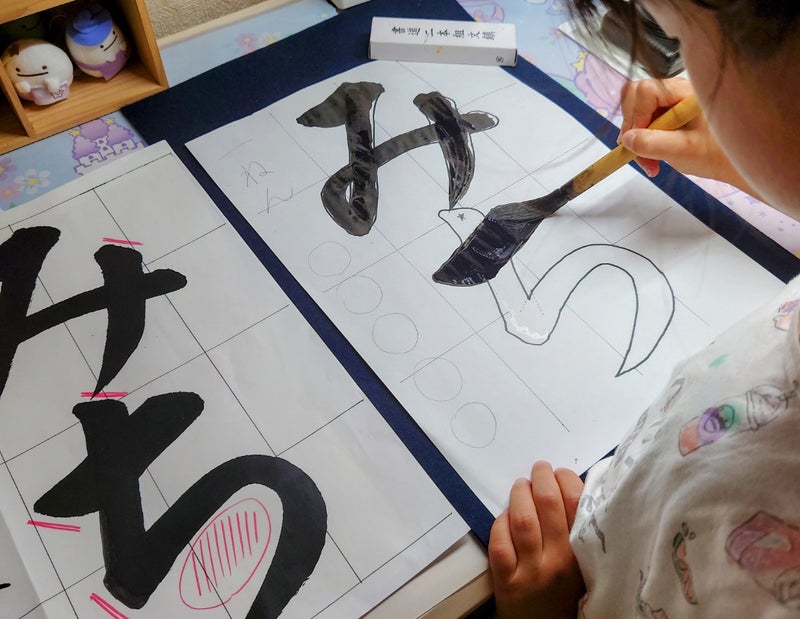
Japanese calligraphy, known as Shodo (書道), is the traditional art of writing Japanese characters with a brush and ink. The word "Shodo" means "the way of writing," reflecting the idea that calligraphy is not only about creating beautiful characters but also about developing focus, patience, and self-expression.
For centuries, Shodo has been practiced in Japan as both an art form and a cultural tradition. Today, people around the world enjoy learning Japanese calligraphy because it combines creativity, mindfulness, and a deeper connection to Japanese culture.
If you are interested in starting your calligraphy journey, understanding the essential tools is the first step.
Unlike ordinary handwriting, Japanese calligraphy focuses on the movement of the brush, balance, rhythm, and expression.
Each brushstroke is carefully controlled, and even a single character can communicate emotion and personality. Two people writing the same character may produce completely different works of art.
Many practitioners describe Shodo as a form of meditation because it encourages concentration and mindfulness.
Some of the key benefits of learning Japanese calligraphy include improved focus, enhanced creativity, a deeper cultural experience, and greater mindfulness.
Before you begin practicing Shodo, it is important to become familiar with the traditional tools used by calligraphers.
These Japanese calligraphy tools are often called the "Four Treasures of Calligraphy."

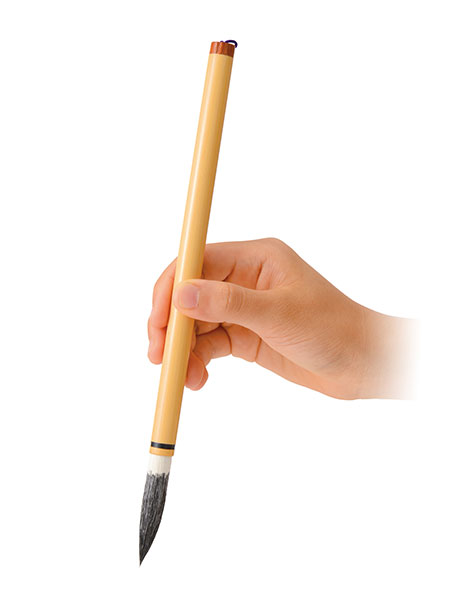
The brush is the most important tool in Japanese calligraphy. Traditional brushes are made from animal hair and come in different sizes and stiffness levels. Beginners often start with a medium-sized brush because it offers good control while learning basic strokes. The flexibility of the brush allows artists to create thick and thin lines within the same character, giving Shodo its distinctive beauty.
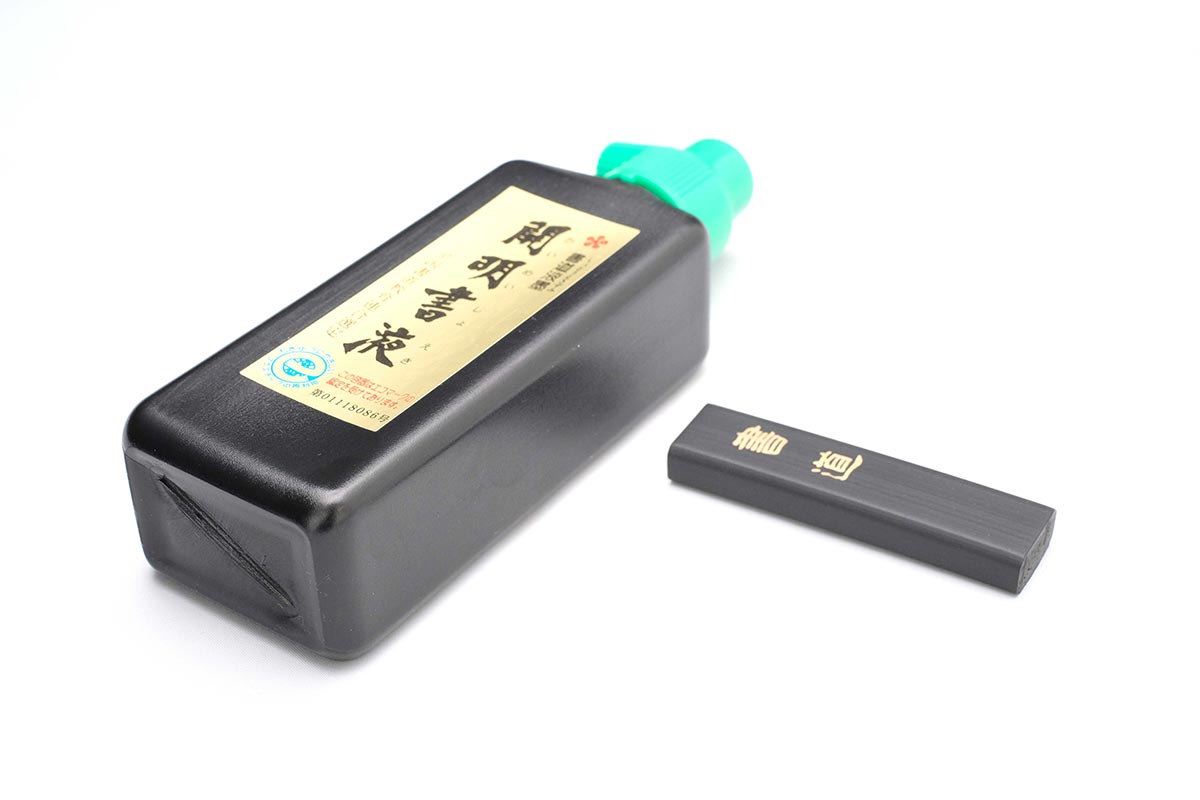
Sumi is traditional Japanese black ink used for calligraphy. Historically, calligraphers created ink by grinding a solid ink stick against an ink stone with water. Today, many beginners use bottled liquid ink because it is more convenient. The deep black color of sumi creates strong contrast on white paper and is one of the defining features of Japanese calligraphy.
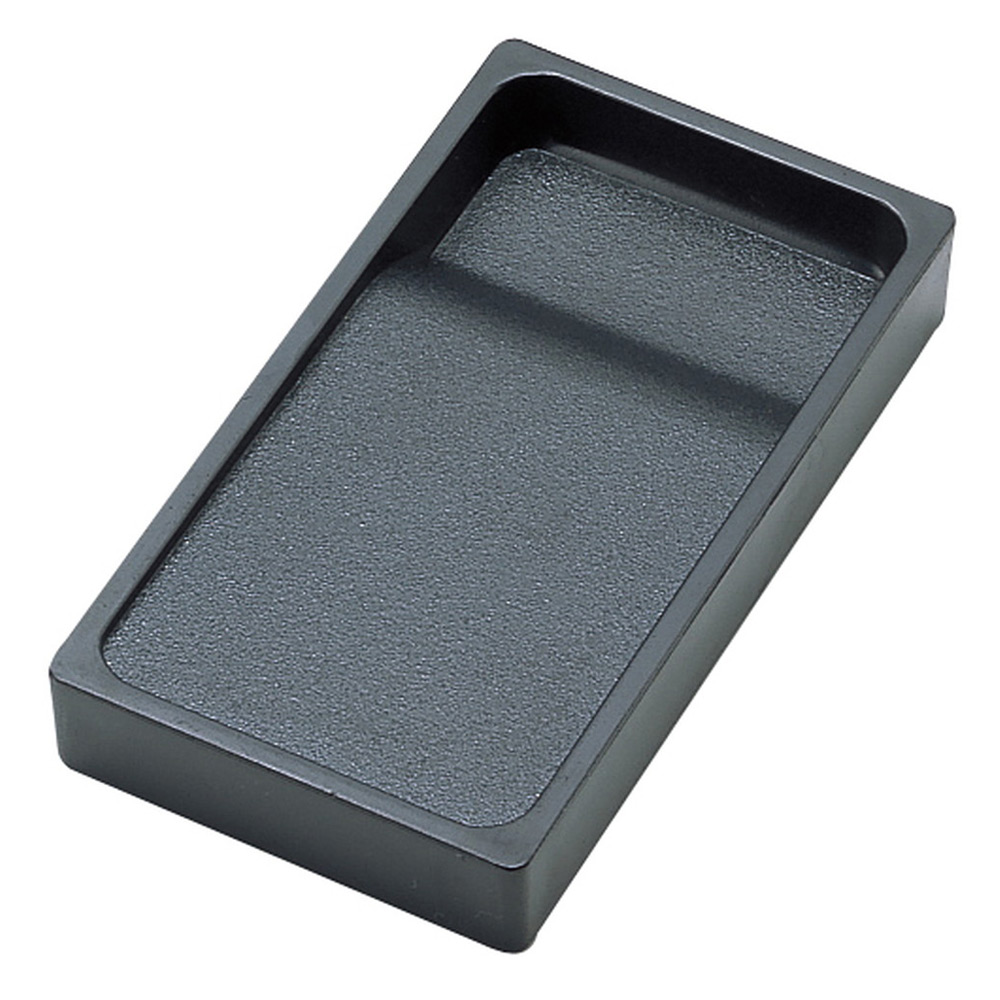
A suzuri is an ink stone used to prepare traditional ink. Although many modern students use ready-made ink, learning how to grind ink on a suzuri can help students appreciate the traditional process and develop a calm, focused mindset before writing.

Hanshi is the special paper used for Japanese calligraphy. It is thinner and more absorbent than regular paper, allowing brushstrokes to flow naturally. The quality of the paper can significantly affect the appearance of the final artwork. Beginners may practice on reusable practice sheets before moving to traditional hanshi paper.
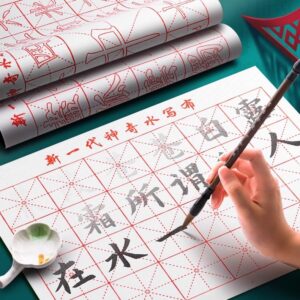
In addition to the Four Treasures, several other tools can make practicing Shodo easier.
A bunchin is a paperweight used to keep the paper flat while writing.
Since calligraphy paper is lightweight, it can easily move during practice. A paperweight helps maintain stability and accuracy.
A shitajiki is a soft felt mat placed underneath the paper.
The mat provides a smooth writing surface and helps absorb excess ink.
A water container is used when preparing traditional ink.
It allows the artist to control the amount of water added during the ink-grinding process.
Many people assume that Japanese calligraphy is difficult to learn, but beginners can start with simple characters and basic brush techniques.
Here are a few tips for getting started:
Before writing full characters, practice simple horizontal and vertical lines.
Learning proper brush control will help you build a strong foundation.
Every calligrapher develops their own style over time.
Rather than worrying about creating perfect characters, focus on understanding the movement of the brush and enjoying the learning process.
Even a few minutes of practice each week can help improve your skills.
Consistency is more important than long practice sessions.
Taking a class allows beginners to receive guidance, feedback, and demonstrations from experienced instructors.
A teacher can help you avoid common mistakes and develop proper techniques from the beginning.
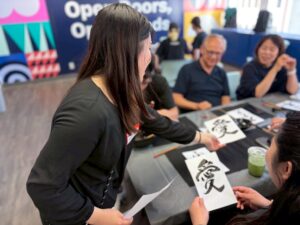
Join our free Shodō workshop and experience the beauty of Japanese calligraphy.
We offer free Shodō workshops for beginners to experience Japanese calligraphy.
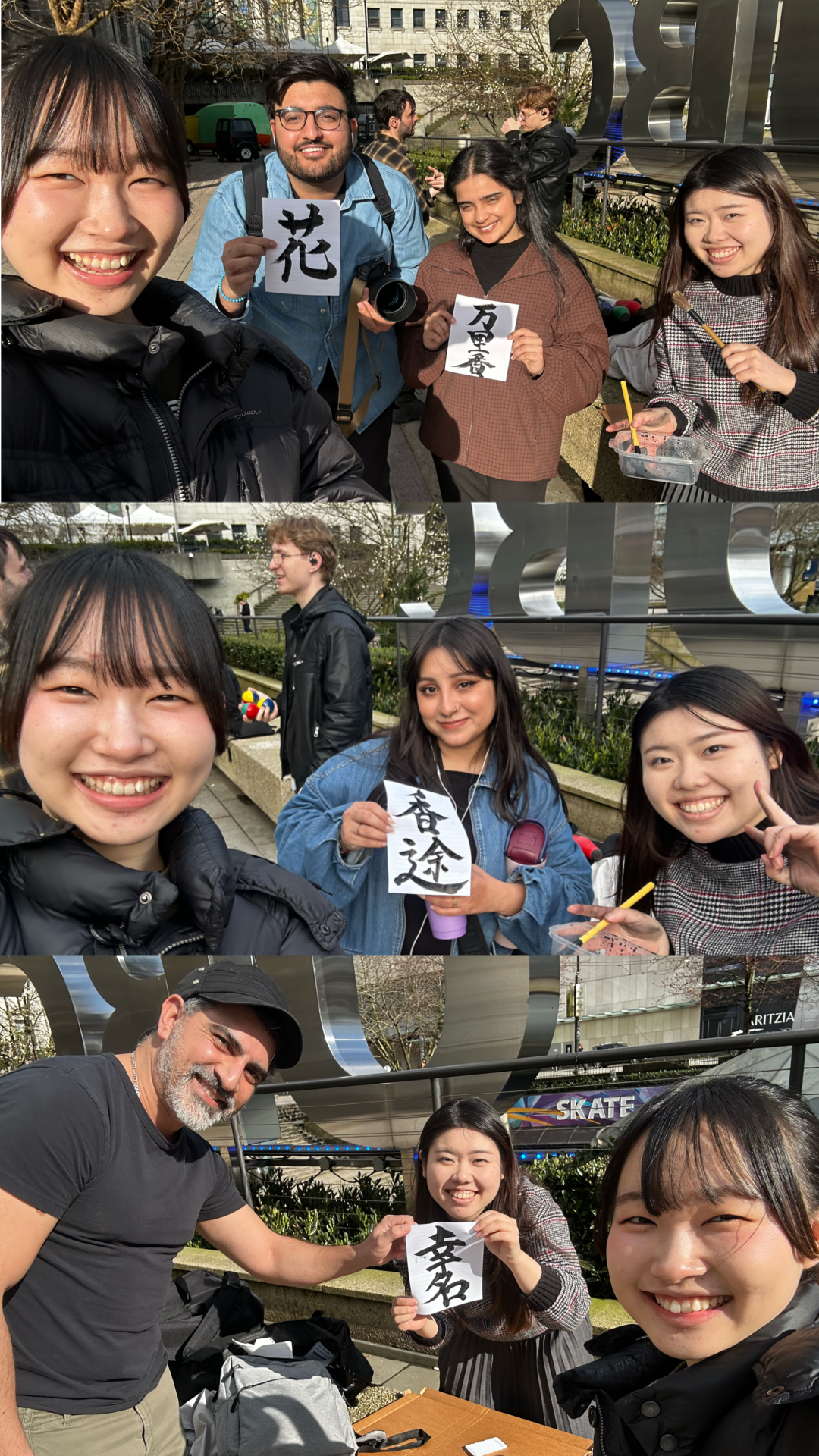
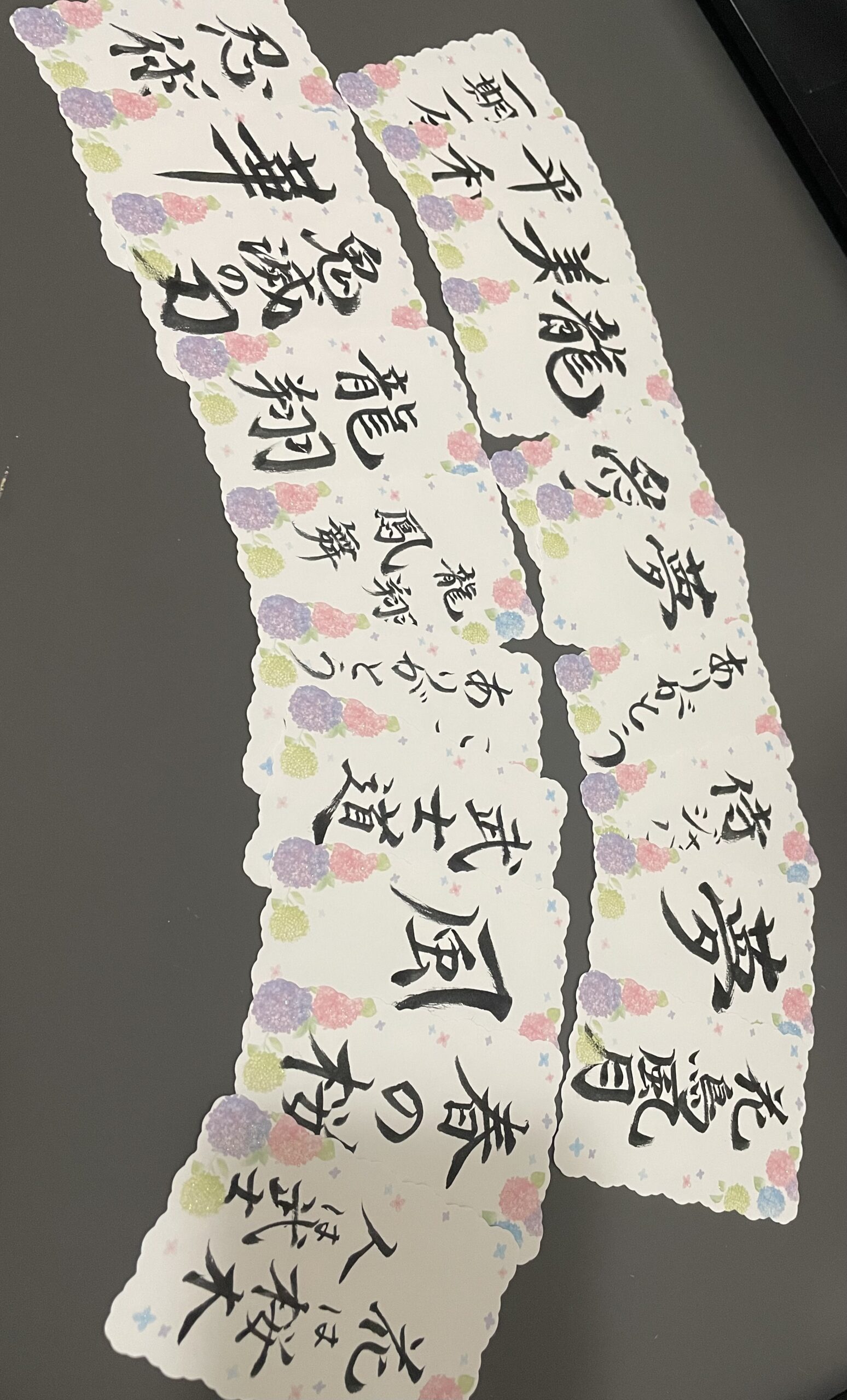
We also take part in street calligraphy events, where we create personalized kanji name art and share free mini calligraphy cards with the public.